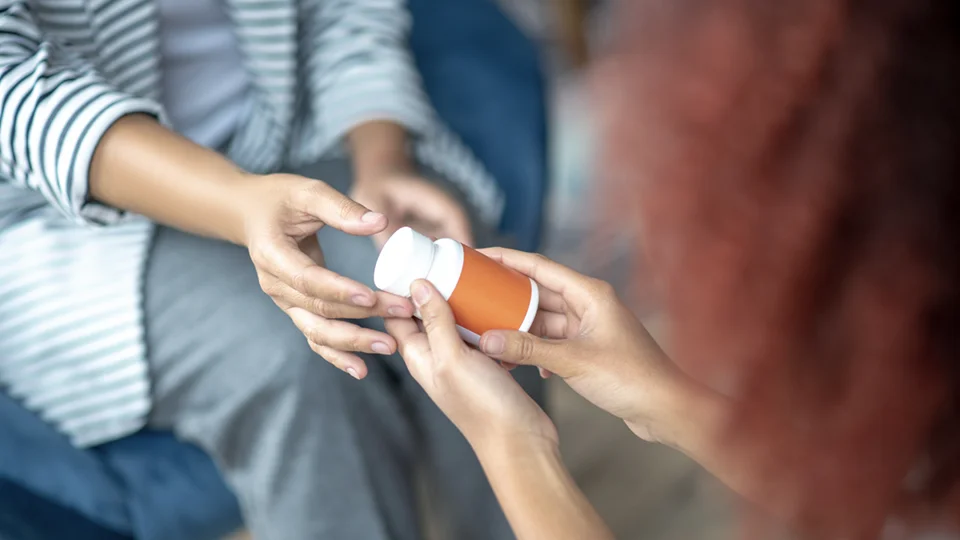
Why Antidepressants Don’t Always Work
If you’re asking, “Why isn’t my medication working?” you’re not alone.
Many people living with depression try more than one medication before finding relief. For a significant number of patients, traditional antidepressants simply don’t provide the results they were hoping for. This is often referred to as treatment-resistant depression, and it’s more common than most people realize.
Depression is not a one-size-fits-all condition. It involves multiple pathways in the brain, not just serotonin. For some individuals, underlying conditions such as anxiety, PTSD, or substance use can also impact how well medication works. In other cases, the medication itself may not align with a person’s unique biology.
If you’ve tried two or more antidepressants without meaningful improvement, it may be time to consider a different approach.
What Is Treatment-Resistant Depression?
Treatment-resistant depression is typically defined as depression that does not improve after trying at least two antidepressant medications. This often looks like persistent symptoms that continue to affect your energy, mood, motivation, and ability to function in daily life.
It’s important to understand that this does not mean your depression is untreatable. It simply means that traditional approaches may not be enough, and more advanced or targeted treatments should be considered.
Next-Step Treatment Options Beyond Medication
At Breakthru, care is designed around patients who haven’t found success with traditional treatments. Instead of continuing a cycle of trial-and-error medications, advanced therapies focus on targeting the brain in new and more effective ways.
Transcranial Magnetic Stimulation (TMS)
TMS is a non-invasive, in-office treatment that uses targeted magnetic pulses to stimulate areas of the brain involved in mood regulation. Unlike medication, it does not circulate through the body, which means it avoids many of the systemic side effects patients often struggle with.
For many individuals, TMS offers a structured, consistent treatment experience that fits into daily life while delivering measurable improvement over time. It is often recommended for patients who want an alternative to medication or who have not responded to multiple prescriptions.
Ketamine Therapy
Ketamine therapy represents a different way of treating depression by working on the brain’s glutamate system rather than traditional neurotransmitters like serotonin. One of the most notable aspects of ketamine therapy is how quickly it can work.
While most antidepressants take weeks to show results, ketamine therapy can begin to reduce symptoms within hours or days. This makes it a powerful option for individuals dealing with severe depression or those who feel stuck after trying multiple treatments without success.
Spravato (Esketamine)
Spravato is an FDA-approved treatment derived from ketamine and administered as a nasal spray under medical supervision. It is specifically designed for individuals with treatment-resistant depression and is used in combination with an oral antidepressant.
What sets Spravato apart is its structured clinical approach. Each session is carefully monitored, allowing patients to receive the benefits of ketamine-based therapy in a controlled and supportive environment.
How to Know When It’s Time to Move Beyond Medication
Many patients stay on the same path longer than they should, hoping the next medication adjustment will finally make a difference. But there are clear signs that it may be time to consider advanced treatment options.
If you’ve tried multiple medications without meaningful improvement, or if side effects are becoming difficult to manage, it may be time to reassess your approach. Ongoing symptoms that continue to interfere with your work, relationships, or overall quality of life are another strong indicator.
In some cases, patients are simply looking for a faster or more targeted solution. Advanced treatments are designed to meet that need.
What to Expect at Breakthru
The process begins with a comprehensive evaluation that looks at your full history, not just your current symptoms. This includes your past treatments, how you responded to them, and any underlying factors that may be influencing your condition.
From there, a personalized treatment plan is developed using the most appropriate therapies for your situation. The goal is to move beyond guesswork and create a clear, structured path toward improvement.
Frequently Asked Questions
Why isn’t my antidepressant working?
Depression can involve multiple systems in the brain, and not all medications target the same pathways. Some patients require alternative treatments to see meaningful results.
How many medications before depression is considered treatment-resistant?
Typically, depression is considered treatment-resistant after two or more antidepressants have been tried without sufficient improvement.
Is TMS better than medication?
TMS is not necessarily better, but it is different. It is often effective for patients who have not responded to medication or who prefer a non-drug option.
How fast does ketamine therapy work?
Many patients begin to notice improvement within hours to days, making it one of the fastest-acting options available.
Is Spravato the same as ketamine?
Spravato is a form of ketamine that has been FDA-approved and is administered under medical supervision in a clinical setting.
Take the Next Step Toward Relief
If antidepressants aren’t working, it’s important to know that there are still effective options available.
Breakthru focuses on advanced, evidence-based treatments designed to help patients move forward with clarity and confidence. With the right approach, it is possible to regain control and improve your quality of life.
If you’re ready to explore what comes next, you can schedule a consultation, refer a patient, or learn more about the treatment options available.